A Hotel is not a Test Lab
January 27, 2026
The hotel industry is often described as an ideal environment for energy efficiency technologies. Large buildings. Continuous operation. High energy demand. On paper, the math behaves. Reduce consumption, lower operating costs, tick the sustainability boxes, everyone moves on. In practice, however, nothing about deploying an energy efficiency or cleantech solution in hotels is straightforward, and the space between expectation and reality is where most of the work actually sits.
Our experience working with hotels and deploying technology never followed a clean arc of steady improvement. It moved in stages. There were weeks where the system did exactly what we said it would, and weeks where it didn’t. Some partners listened closely, others nodded and went back to their routines. We made mistakes that were ours alone and had to live with them. Any honest account has to hold all of that at once, even when it’s uncomfortable to do so.
One of the earliest lessons was that “the hotel industry” isn’t a customer. A chain might share a brand and a loyalty program, but behind that brand is a scattered set of owners, operators, general managers, engineers, corporate sustainability teams, asset managers, and contractors. They experience energy costs differently. They care about different outcomes. They control different switches. A solution can be obvious to one person and feel risky or irrelevant to another, all within the same building.
That fragmentation sharpens when you look at ownership. Adoption inside a corporate-owned hotel is not the same thing as adoption inside a franchise-owned property, even if the signage out front is identical. Corporate-owned hotels tend to look at technologies across a portfolio. They can sometimes tolerate longer payback if it lines up with brand standards, emissions targets, or long-term asset value. Franchise owners are usually staring straight at their own balance sheets. The capital is personal. Margins are thin. In that context, a clear and credible return isn’t a nice-to-have. It’s where the conversation starts, or doesn’t.
For us, that meant the technology itself was often insufficient. Even when performance was solid, adoption at franchise properties hinged on whether we could help make the financial case legible to the owner. Relationships with local utilities, especially around incentives, rebates, or demand-side programs, became a practical bridge. It wasn’t elegant. It didn’t work everywhere. Sometimes the paperwork alone killed momentum. But in a few cases it turned a theoretical ROI into something concrete enough to sign.
We also learned that strong modelling doesn’t carry the day. Spreadsheets are tidy. Hotels aren’t. They’re living systems with aging infrastructure, deferred maintenance, and operating behaviours that drift with season, occupancy, and whoever happens to be managing the property that quarter. A unit that behaves predictably in one building can act strangely in another. That doesn’t automatically mean the technology is broken. It does mean that expectations set by design intent rarely survive first contact with a boiler room.
There were deployments where performance lined up closely with projections and delivered real savings. There were others where gains were smaller, slower, or frustratingly hard to pin down. Measurement and verification turned out to be its own project. Baselines moved. Operating schedules shifted. Renovations overlapped with pilots. Staff turnover erased any shared memory of what had been installed and why. In that mess, attributing outcomes with confidence took far more effort than we expected, and sometimes more patience than we had.
Execution on the ground added another layer. Contractors matter more than most decks acknowledge. They’re often treated like neutral intermediaries, but they make dozens of small decisions that shape whether a system works. We learned quickly that clear instructions don’t guarantee correct installation. Time pressure, habit, miscommunication, or simple resistance to unfamiliar equipment all show up. More than once, performance issues traced back not to the unit itself but to how it was installed, wired, or quietly bypassed.
It would be convenient to frame those moments as someone else’s fault. That would also be wrong. We underestimated the need for follow-up. We overestimated how clearly our requirements were understood. We assumed that one clean installation would translate neatly to the next. It didn’t. Training wasn’t a one-time event. Documentation didn’t enforce itself. Responsibility for outcomes stayed blurry unless we actively held it.
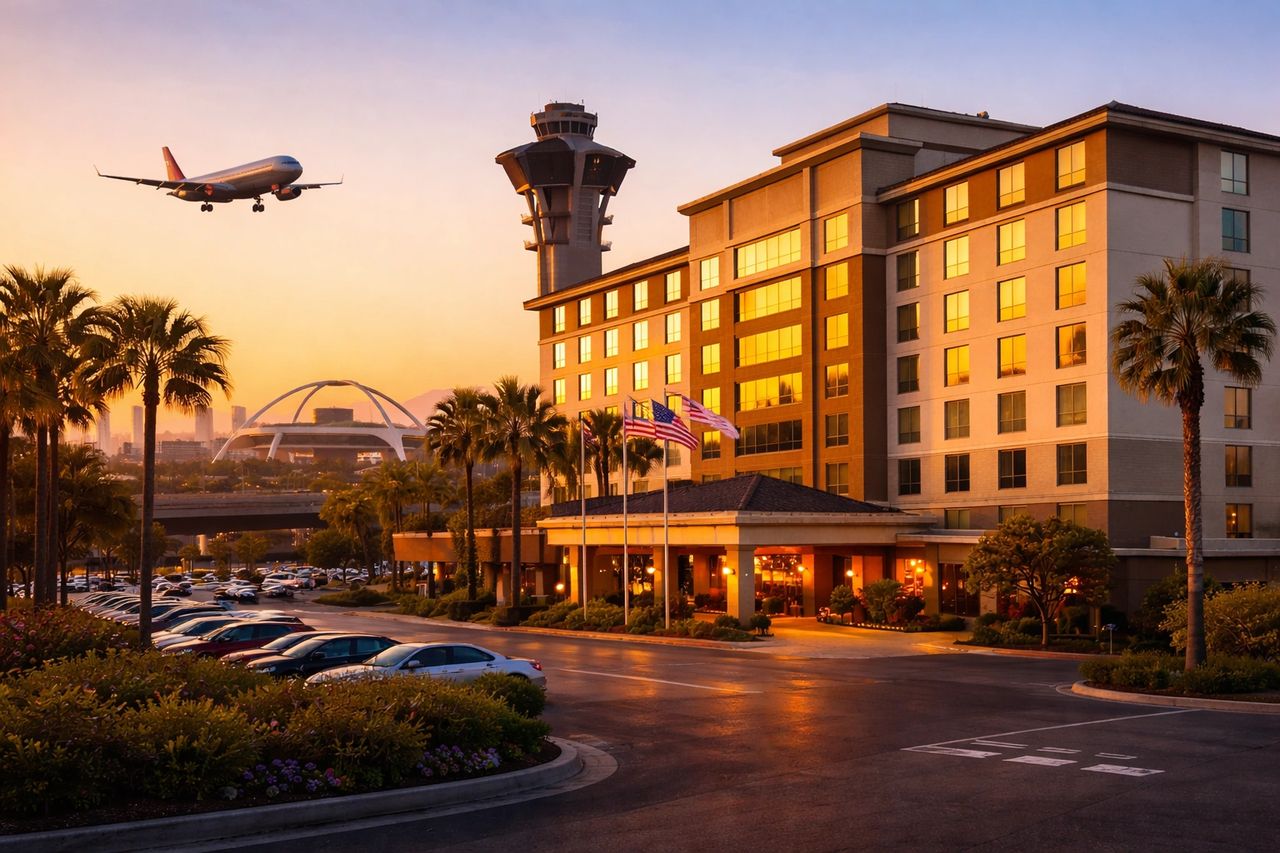
Hotels also have an extremely low tolerance for disruption. Guest comfort wins almost every time. Systems that fail loudly or need frequent intervention lose goodwill fast. In this environment, technology has to fail quietly, preferably invisibly. It has to coexist with 24/7 operations, limited downtime, and staff whose job is hospitality, not energy management. I remember standing at the front desk waiting to check in at a hotel near LAX and there was a steady stream of complaints about missing hot water. A couple tanks had failed. It had nothing to do with us. Still, it was a clean picture of what failure looks like when it touches guests, and what it would feel like if it were our equipment sitting behind it.
There’s a timing problem underneath all of this. Energy efficiency promises value over years. Hotels run on budget cycles, renovation schedules, and ownership horizons that don’t always match. A solution that looks compelling over ten years can stall against a three-year hurdle. That doesn’t make the long-term value imaginary. It just means vendors have to learn which clocks their customers are actually using, not the ones in their models.
What surprised me most was how rarely outcomes fit clean labels. A project could perform technically and still fail to replicate. Another could underperform early and settle into something useful later. Some deployments paid back less in savings than in learning, and that learning quietly shaped what worked next. If success is defined too narrowly, a lot of real progress never shows up anywhere.
These lessons aren’t unique to one product. Any energy efficiency or cleantech solution entering hotels runs into continuous operations, fragmented decision-making, uneven data, human habits, and the certainty that mistakes will happen on all sides. Selling equipment is the easy part. The harder part is showing up inside someone else’s building and accepting you don’t really own the outcome.
None of that removes the need to reduce energy use and emissions in hotels. If anything, it makes the work more necessary and more fragile. The gap between ambition and execution isn’t closed by better messaging. It narrows through repetition, follow-up, awkward conversations, and accepting that progress here looks uneven by default.
What I still don’t know, and maybe shouldn’t pretend to know, is how much imperfection the industry is willing to live with in pursuit of improvement, or how much responsibility technology providers should carry for outcomes shaped by forces they don’t control. Those questions come up late in projects, usually when everyone’s tired.
At LAX it was a line of guests, a tired night manager, and a lobby full of people waiting for hot water that wasn’t there.