Burn the Boats, not the Bridges
January 23, 2026
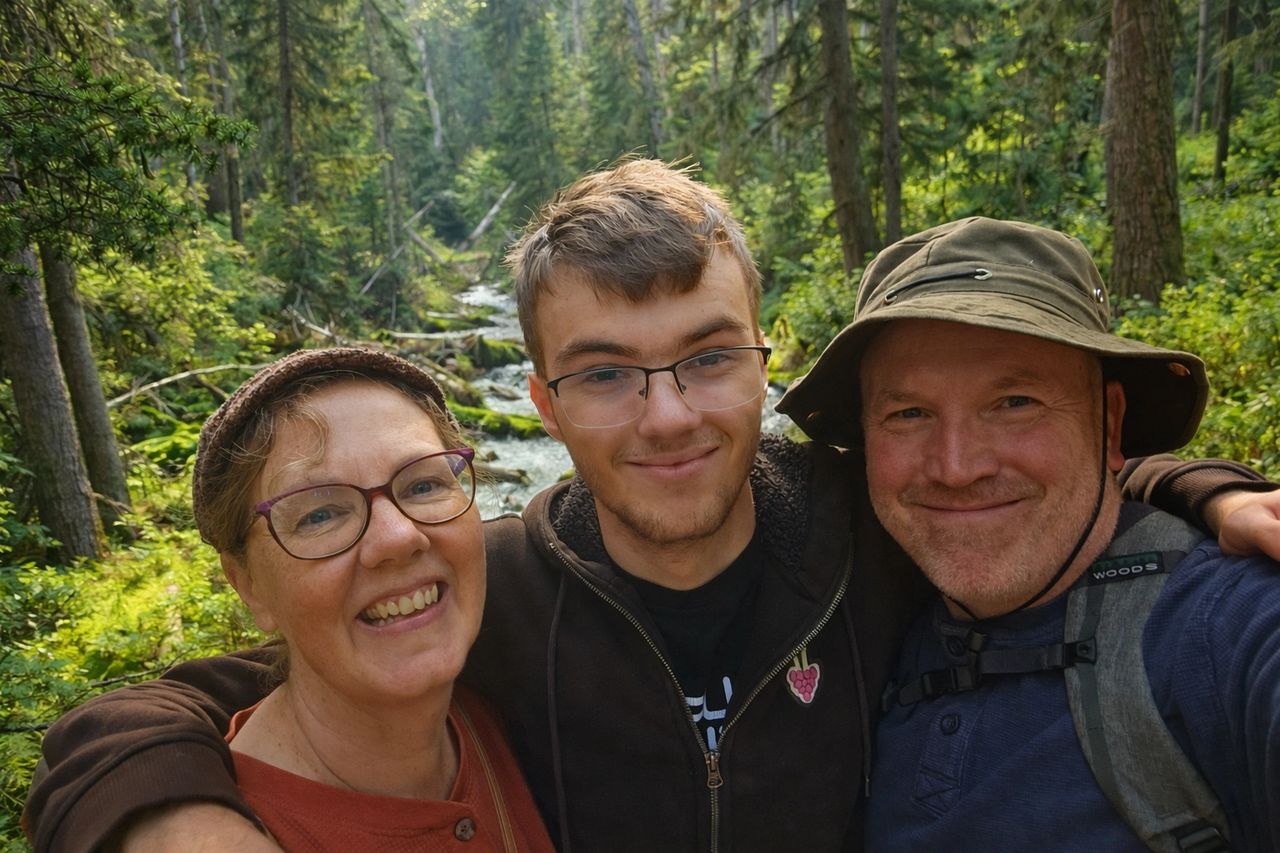
We read the books and biographies, listened to the podcasts, and watched the TED talks, and somewhere along the way, we were told there would be sacrifice. It was always framed as something noble, a hero’s journey with long nights and personal risk and dramatic setbacks, followed by a breakthrough that made it all make sense in the long run. The version I absorbed assumed the suffering would be a manageable path given my previous experience with adversity.
What none of that prepared me for was how unexpected and complex that sacrifice would be once it stopped being a big screen version of what was actually playing in my head. Not just onto me, but onto the people closest to me, the ones who didn’t sign term sheets or agree to timelines or get a vote when the scope expanded. From the outside, sacrifice sounds like ambition. From the inside, it feels more like erosion. Friends and family start as cheerleaders, then they grow cautious, and then some quietly disappear. That part felt survivable. The time lost with my wife and son wasn’t.
I’ve always felt the need to act because in my head I can see how things are likely to play out if I don’t. That instinct didn’t come from nowhere. I grew up on the other side of this equation, watching my own father build his business, absorbing the idea that provision and presence were things you traded between rather than held at the same time. From a father’s perspective, that logic sticks with you longer than you expect. You don’t question whether you should go. You question what happens if you don’t.
My wife understood what she was marrying into. She met me as an innovator, a schemer, someone who was always pulling at a thread to see where it led. Building things was part of my wiring, and adults get to make informed choices about the chaos they invite into their lives. My son didn’t have that option. There were stretches where I was simply gone, not absent in spirit but physically elsewhere, moving between mechanical rooms and airports and hotels, places where the work demanded presence because the thing I built existed in the real world and not entirely on a computer screen from an office.
I worked hard at being there when I was home. That part was intentional. You can sacrifice your social life, your weekends, the extra stuff, and make that trade easily. What you have far less control over is the financial strain. You can’t force a customer to buy or an investor to wire money on your timeline. Those moments show up whether you’re ready or not, and if you’re paying attention, you catch them before they fully land at home. A quiet conversation in the car. A pause before answering a question. Deciding how much to share and when, knowing that transparency builds trust but also shifts the weight onto people who didn’t ask to carry it.
The moment that stripped away whatever insulation I still had came without warning. I came home two days early from a trip, no announcement, no text, just walked through the door expecting a surprise. My son was already in bed. My wife had just tucked him in and was about to read another chapter of Harry Potter when he saw me standing there. His eyes filled up immediately. He tried to hold it together, the way kids do when they don’t want to make a scene, but the tears still came. Not sobbing, just restrained, overwhelmed, like he was trying to process something good that had arrived too suddenly. He stayed in bed when I hugged him, arms tight around my neck, like he didn’t want to risk the moment by moving. In the middle of that quiet relief, I felt like absolute garbage. I was grateful that my presence meant that much to him and unsettled by the realization that my being home had become an event. A father coming home should not be a surprise worth crying over, and once that thought lodged itself, it didn’t leave.
That moment stayed with me longer than any missed meeting or failed pilot. It cut through every story I’d told myself about why this was all necessary and refused to be justified away. I couldn’t fix it with timelines or impact language. It just sat there, unchanged, and forced a different set of questions. If the company failed, could I be happy being just a father. If I failed, would I still be employable as I got older. Would my reputation survive it. Could I build something else without breaking my marriage in the process.
This is the part that rarely shows up in founder stories, especially in hardware and cleantech, where the work doesn’t stay abstract. Building physical systems means you don’t just design things, you chase them. You travel to them, stand beside them when they fail, and when the system hasn’t existed before, you are often the only person who knows how to fix it. The expert isn’t on a call. The expert is you, and sometimes that expertise is a ten-hour flight away. Software can sometimes wait. Hardware doesn’t.
Every one of those trips carried a cost that wasn’t just financial. That cost accumulated quietly at home while the work demanded certainty elsewhere. I justified that imbalance by telling myself there was a difference between giving up and failing, and that distinction mattered. I still believe that. Some ideas need to fail. Hanging on past that point doesn’t make you brave. It just makes the damage spread.
Once you really see how the cost is distributed, you start counting things differently. Not just milestones and progress, but days, reactions, silences. You notice what feels normal to you and what feels like an event to someone else. You live inside that gap and make the next decision anyway.
What’s important to say, and easy to miss if I don’t say it plainly, is that I’m grateful for the life I have and deeply proud of what my team and I have built. The company is real. It operates in five countries now. We work alongside people who have been shaping energy and heating systems longer than I’ve been alive. None of that happened by accident. It happened because I chose to keep going when it would have been simpler to stop, and because a lot of other people chose to keep going with me.
This isn’t a story about wishing I had done things differently or regretting the choice to build something hard. It’s about understanding the shape of what it takes to push through. If you’re lucky, and if you work hard enough, it is possible to have both a family and a business, even though the dominant stories suggest you have to burn one to fuel the other. The trade isn’t one-sided. The sacrifice doesn’t come from just the founder. It comes from both camps, the business and the family, often at the same time, and it only works if everyone involved understands what they’re carrying.