Carbon - It wears overalls and looks like work.
February 10, 2026
I keep having the same conversation in different rooms with different people. Investors, customers, regulators, industry veterans, people who speak confidently about the energy transition and then quietly recoil when the conversation turns to carbon capture. The objections come fast and familiar. Too complex. Too expensive. Too risky. Too early. Too late. Always an “or,” as if stacking concerns somehow absolves us from engaging with the reality in front of us.
What sits underneath those objections is rarely examined. There’s an unspoken belief that somewhere, somehow, a cleaner answer exists, one we just haven’t unlocked yet. A hidden switch. A suppressed breakthrough. A future where we run entirely on electricity and the messiness of combustion fades into history. If that solution were revealed, all of this discomfort would dissolve. No flues. No carbon. No hard choices.
That belief survives only if you ignore physics.
Heating is not software. Energy density is not a branding problem. Geography does not bend to ambition. Infrastructure does not disappear because we wish it would. Electrification is real progress, and in some contexts it works extraordinarily well. In others, it doesn’t work at all. Cold regions, constrained grids, industrial heat, and aging buildings, these are not fringe scenarios. They are most of the world.
And so natural gas persists. Not because of conspiracy or cowardice, but because it works within the constraints we actually live with. We can argue about timelines and trajectories, but the notion that gas will simply be “turned off” across regions and sectors in the near term is pure fantasy. Which means combustion continues. Which means carbon continues.
Here’s where the conversation usually breaks down. Carbon is treated as something abstract, an externality, a number on a chart, a moral failing. But carbon is a physical byproduct. It doesn’t vanish because the chemistry is clever. Whether you’re talking about fuel cells, amine scrubbers, mineralization, or metal-organic frameworks, the result is the same. Carbon is transformed, not erased. It becomes something embodied. Something that exists somewhere.
Once you accept that, a lot of the hand-waving stops working. Captured carbon has to be managed. It has to be contained, moved, stored, used, or stabilized. That introduces cost. It introduces risk. It introduces complexity. None of which are exotic concepts. Every commercial system we depend on carries all three.
We don’t dismiss wastewater treatment because pipes corrode. We don’t abandon waste collection because trucks cost money. We don’t demand perfection before we allow systems to operate at scale. We tolerate imperfection because the alternative (doing nothing) is worse. Carbon capture, for reasons that are more emotional than rational, is rarely afforded that same grace for some reason.
Then there’s the part that makes people especially uncomfortable. If carbon is captured, someone has to show up and deal with it. Not an app. Not a dashboard. A person. Or many people. People who go to sites, operate equipment, monitor systems, collect carbonates, handle liquefied CO₂, manage whatever form that carbon now takes.
Those people expect to be paid. As they should.
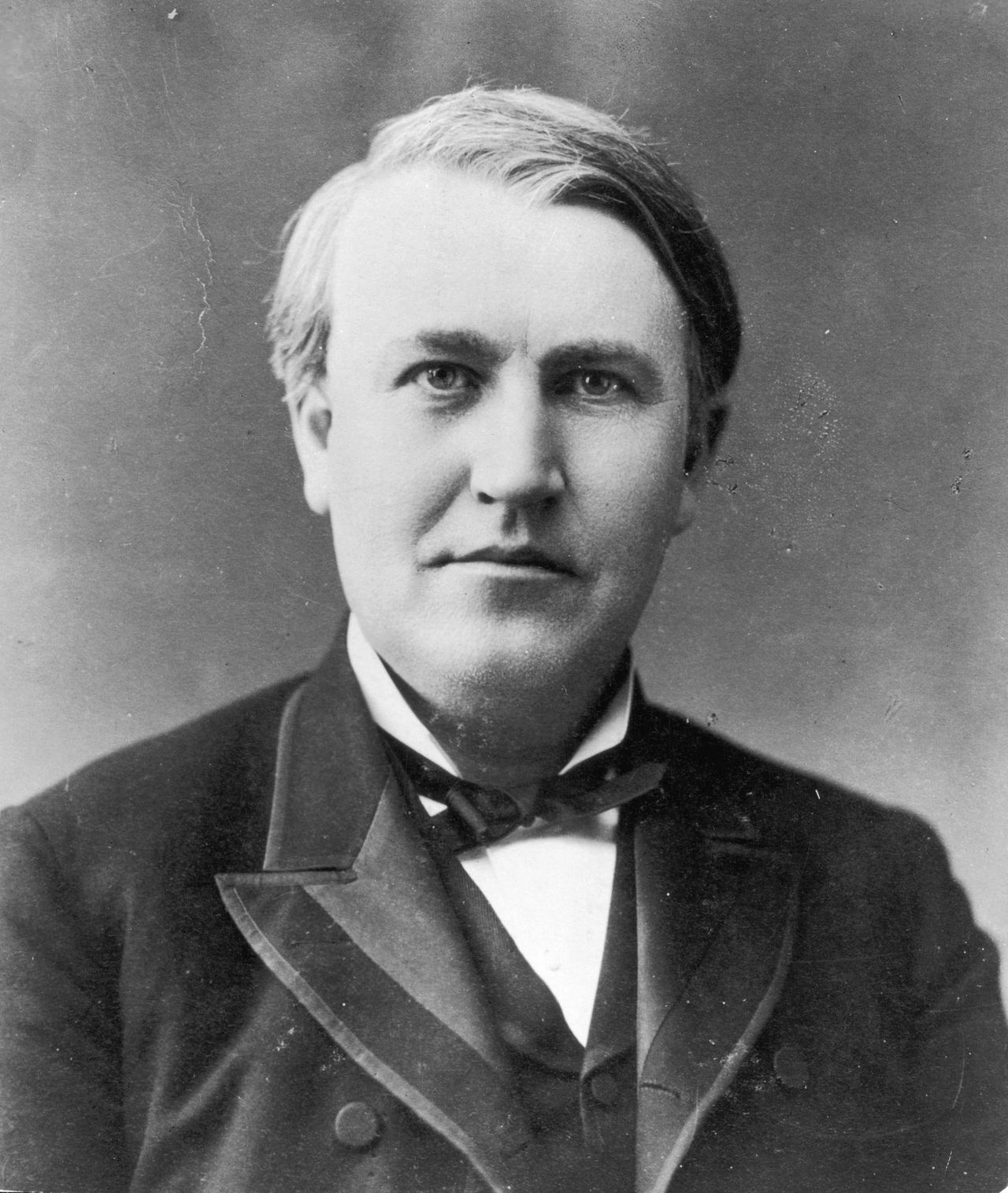
There’s an old saying, often attributed to Edison, that what people really hate is that "Opportunity looks like work and wears overalls". The source almost doesn’t matter. The idea lands because it’s true. Somewhere along the way, we decided that real climate solutions should be frictionless, automated, and invisible. Anything that involves labour, logistics, or ongoing operations starts to feel like a failure of imagination.
Investors flinch. Policymakers hesitate. The word “un-scalable” gets deployed, usually as a polite way of saying this looks too much like work.
But work is the point. Work is how systems function. Every service we rely on, energy, water, sanitation, food, exists because people show up and do unglamorous, necessary jobs. There is nothing regressive about that. Pretending we can solve climate change without it is an illusion.
The tragedy is not that carbon capture is imperfect. It’s that we keep delaying action while waiting for something purer to arrive. We host panels. We circulate roadmaps. We argue about what the future should look like while emissions continue exactly as they always have. We mourn the fate of the planet while refusing to engage with the mechanics of the present.
There is no hidden kingdom of sustainability (at least not when our species is involved). No magical switch. No moment when the laws of thermodynamics politely step aside. There is only physics, infrastructure, and choice. Carbon is being produced. It will continue to be produced. The only real question left is whether we’re willing to do the imperfect, physical, paid work required to deal with it, or whether we’ll keep pretending that acknowledging reality is somehow worse than ignoring it.