Following Houdry: CleanO2's Path
March 11, 2025
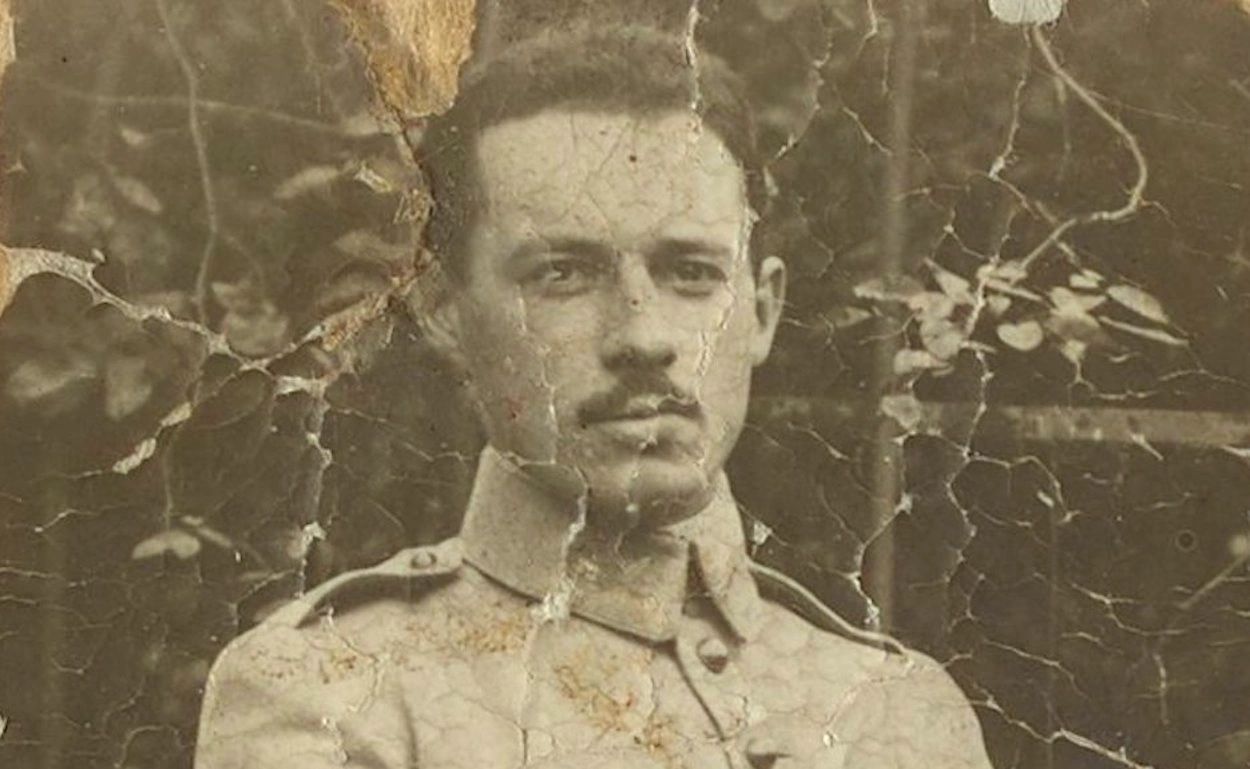
Eugene Houdry, born near Paris, France, on April 18, 1892, was a mechanical engineer whose work profoundly impacted the petroleum industry. After earning his degree in mechanical engineering in 1911, he initially joined his family's metalworking business before eventually relocating to the United States, settling in the Philadelphia area in 1930 to pursue his innovative ambitions.
By the 1950s, Houdry became acutely aware of environmental issues, particularly the smog crisis affecting California. Driven by these concerns, he developed the catalytic converter, a groundbreaking device aimed at reducing harmful emissions from internal combustion engines. Initially, Houdry's invention was voluntarily adopted by factories, such as those operating forklifts, which were willing to proactively address pollution issues.
Although initially optional, the catalytic converter's significant environmental benefits eventually led to widespread industry adoption. General Motors became the first major automaker to integrate catalytic converters across its entire vehicle lineup in 1975. Subsequently, recognizing the device’s critical role in emission reduction, the U.S. government mandated its use across the automotive industry.
This historical pathway closely mirrors the current journey of CleanO2, led by me and my team. We've been developing our microscale carbon capture solutions since 2005, continuously refining our approach to emission reduction. We developed microscale carbon capture technologies designed to significantly reduce emissions from heating systems. Echoing Houdry’s strategy, we began by marketing our innovative solutions to volunteer markets—businesses and industries committed to reducing their carbon footprints ahead of regulatory requirements.
We've recently reached a significant milestone with major advances on our version 4.0 CarbinX, which promises up to a 70% reduction in greenhouse gas outputs from gas-fired appliances. Additionally, we've made solid advancements in our networking and IoT platform, enhancing our device connectivity and data management capabilities.
Today, industry leaders such as boiler manufacturers and gas utilities are beginning to embrace our CarbinX technology, recognizing its potential for substantial environmental impact. Much like the catalytic converter’s historical trajectory, we anticipate that government mandates will eventually require property owners—particularly those managing commercial buildings where electrification isn't feasible—to adopt carbon capture solutions. This progression will likely mirror how catalytic converters evolved from a novel option to a universally mandated solution for emission control.
Both Houdry's catalytic converter and our CarbinX technology exemplify the powerful role of innovation in environmental stewardship, setting standards that shape future regulatory frameworks and industry practices.