Heat, Carbon, and Grit: The Journey to CarbinX
October 25, 2025
In 2005, I started an experiment in my basement. It wasn’t glamorous. There were copper pipes stacked in corners, solder burns on the workbench, and an idea I couldn’t quite shake, that carbon capture didn’t need to be a massive, industrial thing. It could live quietly in a mechanical room.
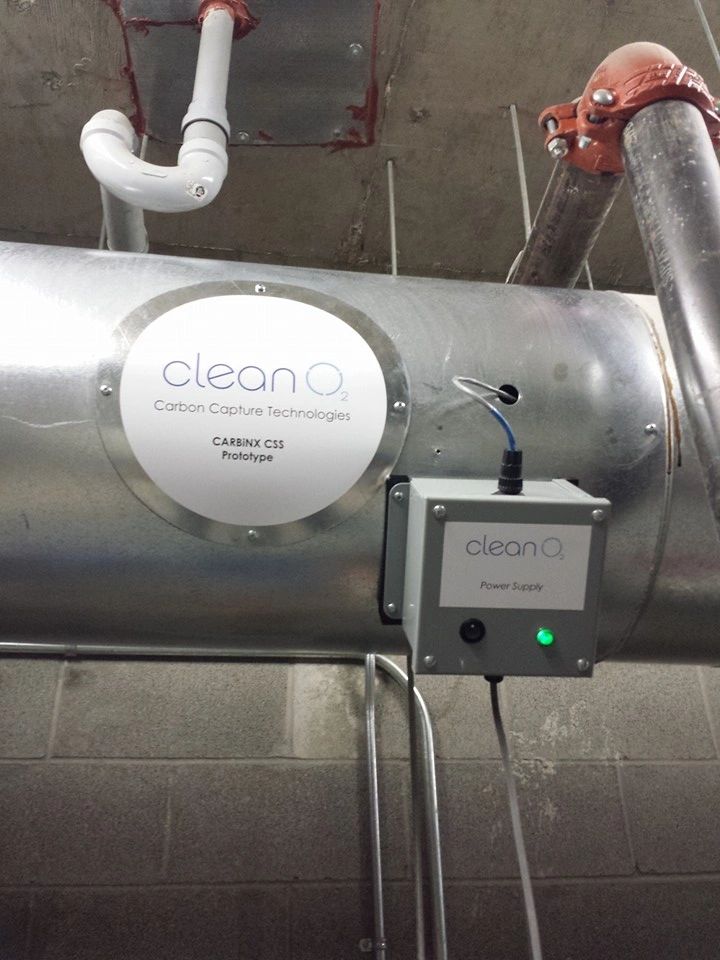
At the time, I was working 80 to 100 hours a week as a plumber and heating technician for Excelair Mechanical Services. My boss, Scott Forgrave, was patient enough to let me tinker as long as I kept the day jobs running. The paychecks from those long weeks funded the parts and chemicals that slowly filled my basement. What I didn’t realize then was that every hour spent on that project came at the cost of family time, something I’d come to regret and respect in equal measure.
The early versions of what would become CarbinX were rough, bordering on reckless. I drew the first design in CAD, a small attachment for a residential furnace that could capture CO₂ while reclaiming heat. It sounded simple enough. It wasn’t.
By 2006, I knew I needed help. So I walked into Specified Technical Sales and asked for, in my words, “a chemistry nerd.” Everyone pointed to Kathi Fischer. She agreed to help, and that changed everything. Kathi wasn’t just sharp; she was calm, methodical, and occasionally had to stop me from blowing up my own house. When I learned that hydroxide plus aluminum makes hydrogen gas, and hydrogen plus an open furnace flame equals a very bad day, I realized chemistry wasn’t something to “wing.”
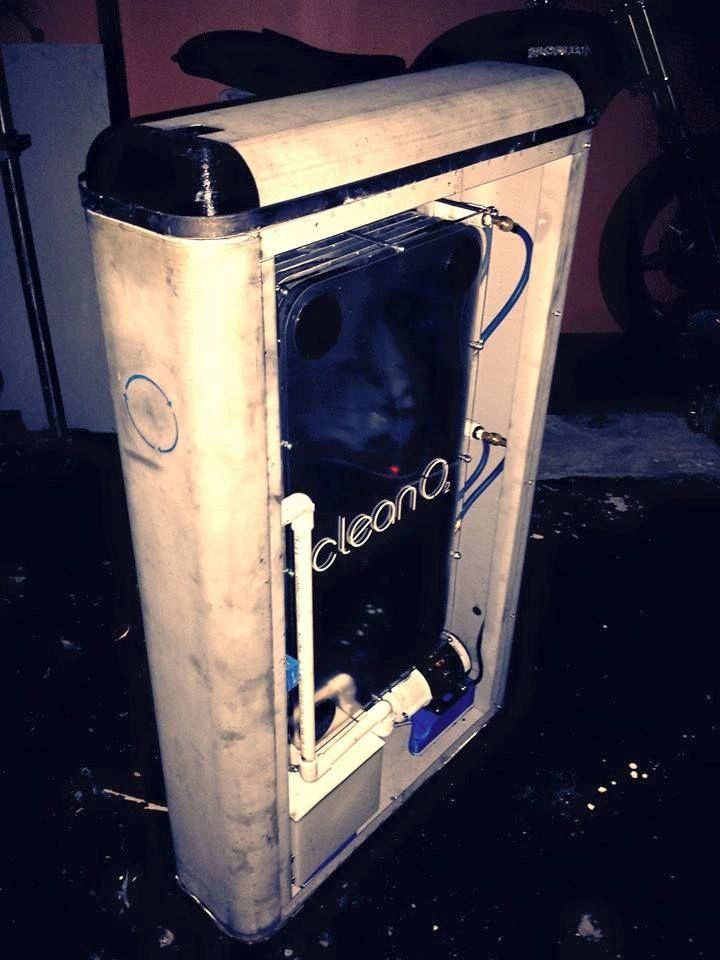
The first prototype arrived in 2007. Imagine a device somewhere between Ghostbusters and a science-fair volcano, part copper sculpture, part plumbing disaster. It used zeolite and deionized water to pull a whisper of carbon from the exhaust stream. It barely worked, but it proved a point: small-scale carbon capture wasn’t science fiction.
The turning point came in 2010. I found an old jug of sodium hydroxide left over from a boiler cleaning job and decided to test it. What happened next changed everything. The reaction not only captured more carbon but also released heat, an exothermic process that made the system more efficient. Suddenly, the experiment wasn’t just removing CO₂; it was lowering gas bills.
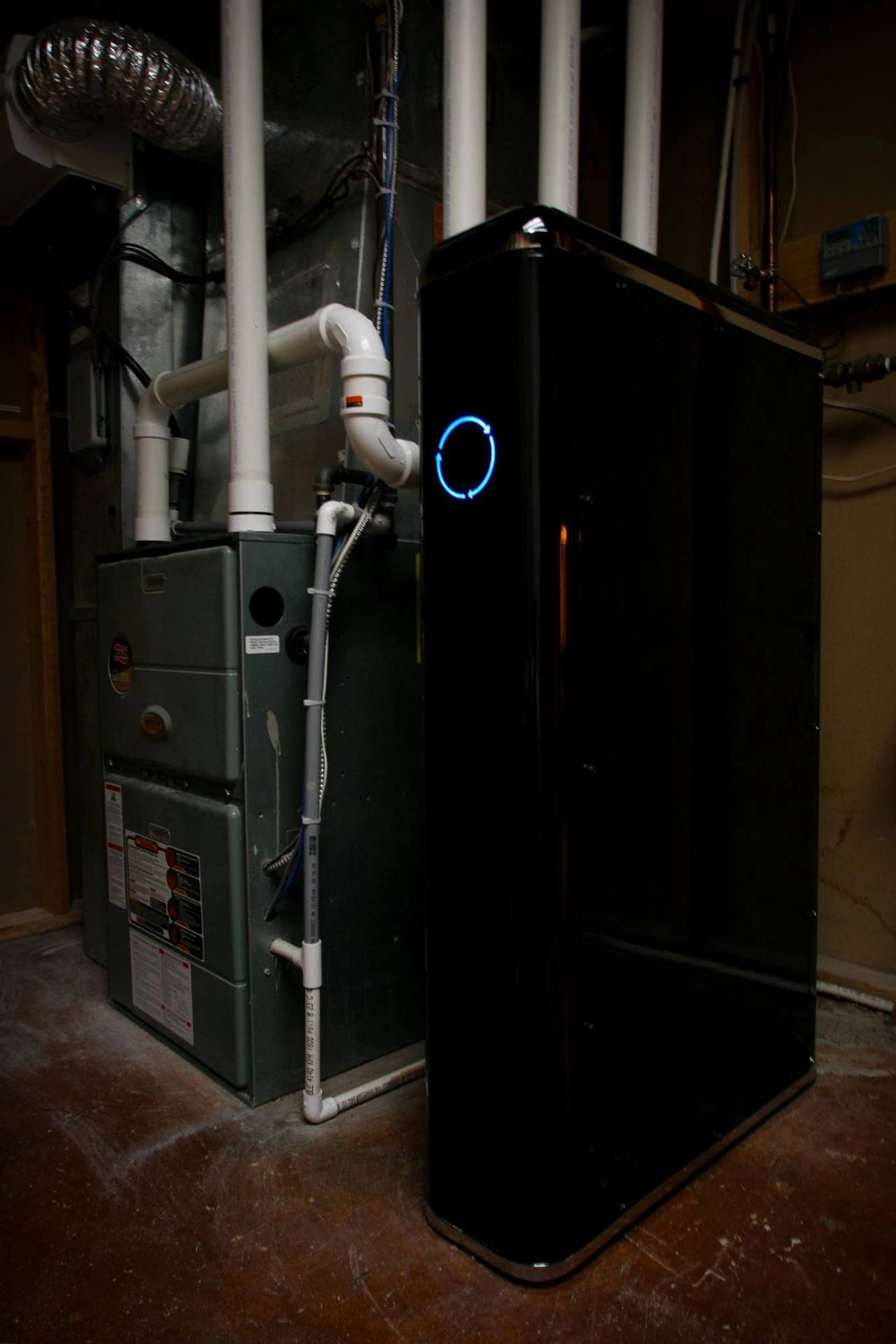
Kathi and I realized this belonged in the commercial world, not in homes. Mechanical rooms were familiar territory for me, and I knew how to keep them safe. So, in 2012, I built and installed the first commercial prototype in a Calgary condominium. It wasn’t pretty, but it worked. The following year, a local angel investor backed us, and by 2013, we had a unit running at the Calgary Airport. Two years later, we installed the first Intertek-certified CarbinX at ATCO CNG. In 2017, we achieved full certification for every unit built at our 1,200-square-foot facility, proof that persistence, not polish, drives progress.
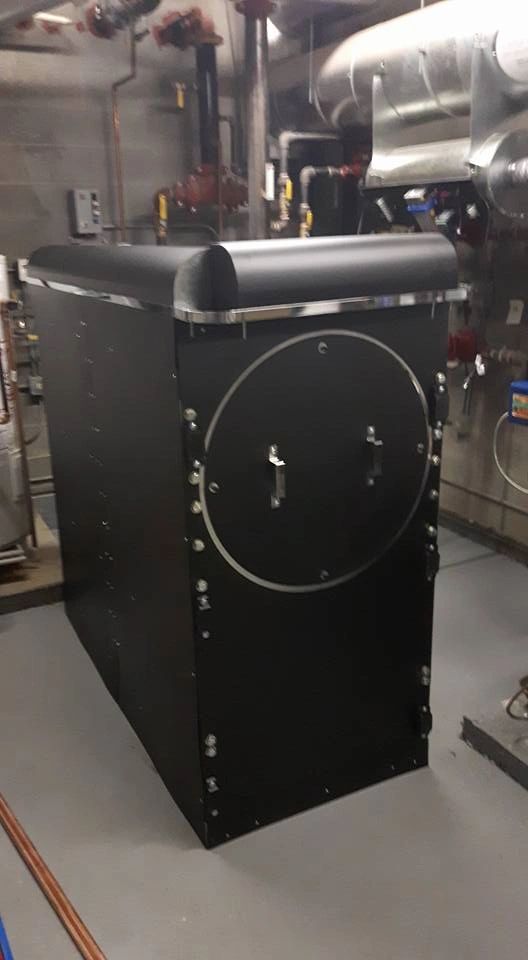
Then came 2019. COVID rolled in, and everything stopped. Sales collapsed overnight. We came close to losing it all. But I was still classified as an essential service, which meant I could work, and I did. While others waited, I spent those long months in mechanical rooms, keeping systems alive, testing new designs, and holding the company together by sheer stubbornness.
Now, twenty years later, the system that began as a messy experiment in a basement has evolved into the CarbinX 3.5, a fully automated, IoT-connected, Siemens-driven platform that captures carbon and recovers heat more efficiently than ever. We’ve shipped over fifty units, with forty more in production.
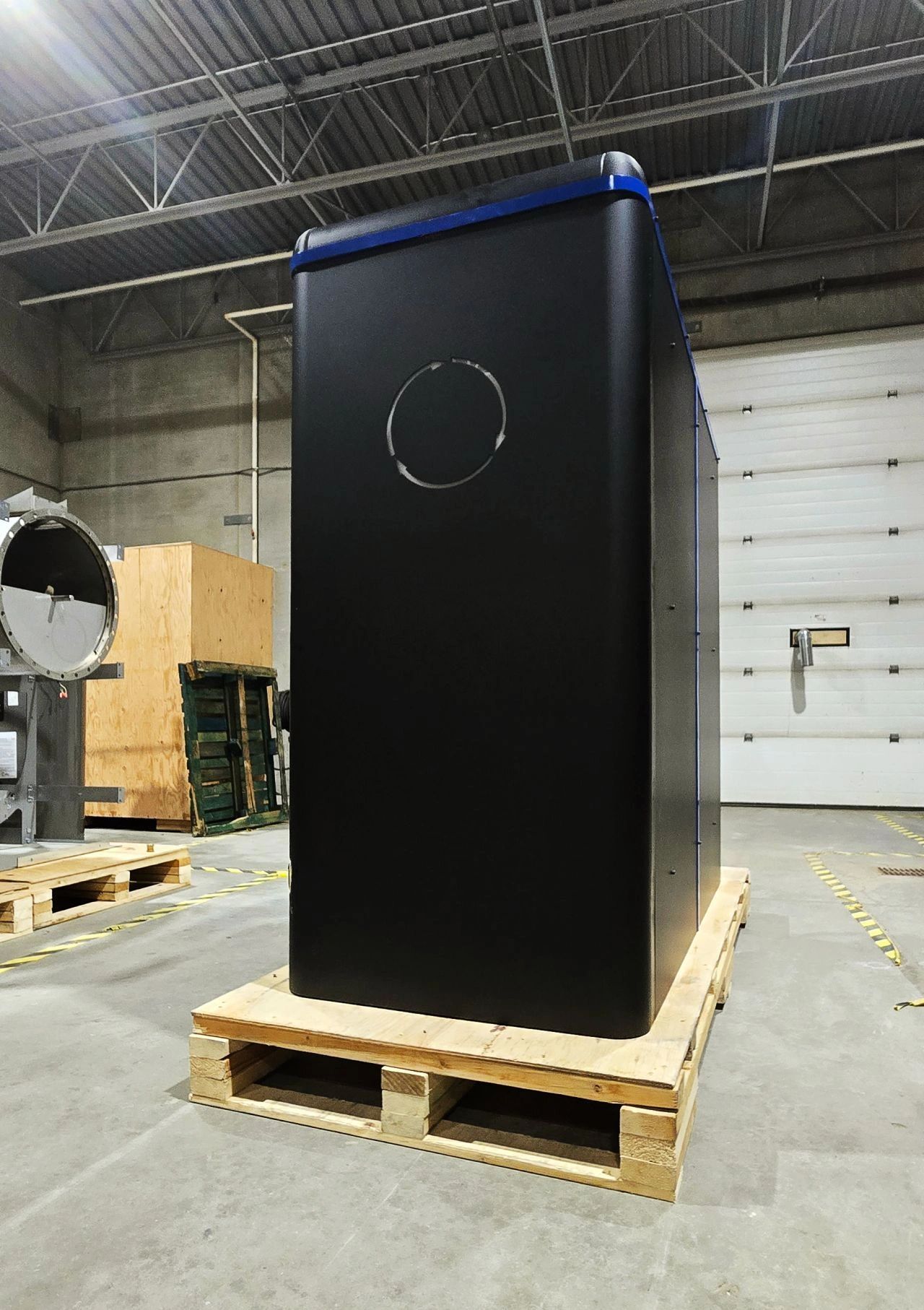
Looking back, the kid who drew that first sketch didn’t know what he was starting. I’ve gone from a tradesman chasing an idea to a CEO leading a team that’s redefining what heating systems can do. If I could talk to that younger version of myself, I’d tell him this: stay the course, burn the boats, and protect your time with family. The company can be rebuilt, but the moments you miss can’t.