The Comicbook Solution
December 22, 2025
I’ve been thinking a lot about how we try to get kids interested in energy, and why so many well-intentioned efforts fall flat.
Most of the time, the conversation starts in the wrong place. We lead with responsibility. Climate. Carbon. Urgency. We explain why energy matters, why it’s serious, why it’s complicated, and why the next generation needs to care more than the last one did. All of that may be true, but it’s also a fast way to drain the entire room of curiosity.
Meanwhile, look at what’s happened with electrification. It hasn’t reached some final destination, and it hasn’t solved every problem it claims to address. But it has succeeded in shaping how people feel about the future. Clean. Quiet. Modern. Electrification didn’t lead with obligation. It led with what's possible.
That difference matters.
When I think about how kids actually fall in love with technology, I don’t think about classrooms or curriculum. I think about stories. Comic books. Movies. The things that quietly rewire your sense of what’s possible long before anyone explains how anything works.
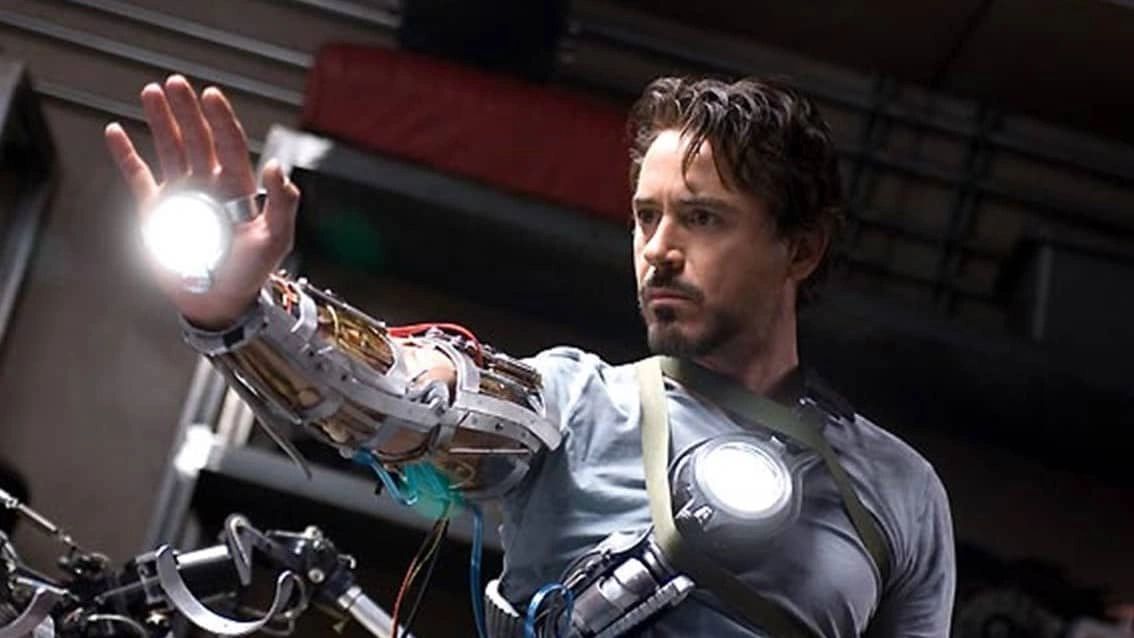
Take Iron Man, aka Tony Stark. On the surface, he’s about flying suits, pulse engines, and bravado. But the thing that makes the entire fantasy believable isn’t the armour. It’s the ARC reactor. That small glowing core is doing all the real work. Without it, the suit is just metal and wishful thinking.
What’s interesting is that no one ever has to explain this to kids. They intuitively understand that the power source is the magic. Energy is what turns imagination into motion. It’s what separates a clever idea from something that actually works.
Some people will read this and think it’s childish. Unnecessary. Too playful for a topic as serious as energy.
I’d challenge that assumption by pointing to the current state of energy literacy.
We live in a world where most adults struggle to explain how electricity reaches their homes, why efficiency matters, or what trade-offs exist among different energy systems. We’ve somehow decided that energy is too necessary to simplify, and then act surprised when public conversations about it become shallow, polarized, and incoherent.
At the same time, adults understand energy in a different, quieter way.
The device you’re reading this on right now works because an invisible energy system delivers reliable power, manages heat, and disappears from your attention entirely. The same is true of the laptop on your desk or the earbuds in your ears. You don’t admire these things because of their batteries or power management systems. You admire them because they work, instantly and effortlessly, every time you need them.
Those products feel magical precisely because the energy problem has been solved well enough that you no longer have to think about it. Energy fades into the background, and capability moves to the foreground.
That’s the narrative opportunity most of the energy sector keeps missing.
We tend to talk about energy as a cost, a constraint, or a problem to be managed. We frame it as something to minimize, regulate, or apologize for. Then we wonder why students don’t line up to spend their lives working on it.
Electrification changed the tone. It talked about instant response, silent motion, sleek design, and a future that feels sharper than the past. It didn’t pretend there were no challenges. It just didn’t make the challenges the opening line.
If we want to engage kids, or more accurately, if we want to equip adults to engage kids, we need to relearn that lesson. Energy isn’t the moral of the story. Energy is the enabler of the story.
Every superhero narrative assumes someone solved the energy problem first. Every rocket, hospital, factory, and city does the same. Strip energy away, and the rest collapses into theory.
Kids don’t dream about decarbonization pathways. They dream about building powerful things. Things that move, fly, heat, compute, and transform. Energy sits underneath all of that, quietly deciding what’s possible and what isn’t.
So maybe the goal isn’t to convince the next generation to care about energy because it’s responsible. Maybe the goal is to remind ourselves how to talk about energy as the source of power, creativity, and progress. The thing that makes the cool stuff work.
Once that spark is there, the responsibility tends to follow.