The Godfather of AI doesn't know the trades.
September 29, 2025
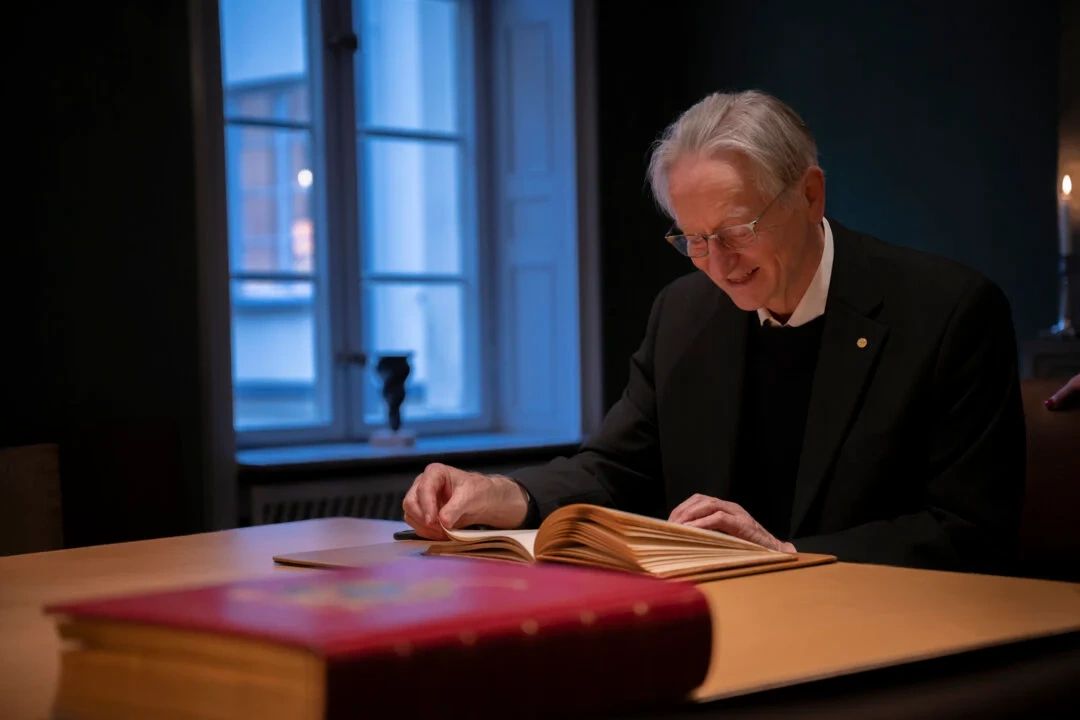
Geoffrey Hinton likes to say the safest job in the AI era is plumbing. It’s a clever line, after all, pipes don’t fix themselves, and water still flows downhill. But that neat little soundbite sets up a picture of trades that doesn’t match reality. It suggests the bulk of the work is just labour: carrying, tightening, sweating copper, maybe digging a trench. It conjures the old caricature of “the dumb plumber.”
The truth is almost the opposite. Trades are a thinking person’s job. Plumbing, electrical, carpentry, these roles are less about muscle and more about judgment. A good plumber isn’t just showing up to twist wrenches. They’re diagnosing causes, weighing risks, interpreting codes, sequencing tasks, designing fixes on the fly, and making sure one small repair doesn’t knock out an entire system. The pipe cutting is visible.
That’s the part Hinton misses, and ironically, it’s also the part most vulnerable to being eroded. Not by robots crawling through crawlspaces, that’s fantasy, but by software that reduces skilled trades into general labour. Imagine the future that’s already creeping in: a plumber arrives at a job, opens an app, and is guided step by step. “Loosen that union. Replace that cartridge. Confirm with a photo.” The technician is no longer a professional exercising judgment. They’re an extra pair of hands for a remote system.
This isn’t hypothetical. Think about a Tekmar controller, one of the devices used to balance and maximize boiler efficiency in a mechanical room. The manual reads like War and Peace, and most other controllers are just as complex. To use one properly, you don’t just flip through a few diagrams; you study, you learn, and you make decisions based on experience. Now imagine an omnipresent AI entity living inside that same mechanical room. A tradesperson with 20 years of experience walks in, gets instructions, and follows them to the letter. At first, they might suspect the AI is mistaken, only to discover it was right, and not only right, but faster, shaving an hour off the service call. The building owner benefits. The technician, meanwhile, earns less because the job took less time and now has to work harder to make up for the shortfall. Fast forward a few years or decades, and the skilled professional isn’t there at all. They’ve been replaced by a non-skilled worker who simply does what they’re told.
This is the real risk. It’s not that AI will replace trades, but that it will hollow them out. Platforms will own the customer, the data, and the warranty rules. They’ll turn trades into gig work with scripts. Workers will be dispatched like delivery drivers, following checklists someone else designed. The expertise that makes trades valuable will wither, and what’s left will be treated as interchangeable.
Yet craftsmanship isn’t interchangeable. Consider what a skilled technician actually does. They walk into a mechanical room and see a whole network, not just a leak. They recognize that a failed expansion tank might be hiding a water quality problem. They understand that draining a line in the wrong order can trigger freeze damage two rooms away. They know how a repair affects not just the plumbing but the controls, the heating loop, and the safety code. They sign their name to the outcome, not just the task.
AI has a place here, but only as an assistant, never the foreman. It can make diagnostics faster by turning a customer’s vague complaint into a structured symptom list. It can suggest parts, surface code snippets, or auto-generate service documentation. But the judgment, the decision of what the problem actually is and how to solve it safely, that’s on us. That’s craft.
So the future won’t be split between plumbers and robots. It’ll be split between two kinds of tradespeople: the ones who are treated like button-pushers following prompts, and the ones who own the diagnostic layer, the judgment, the accountability.
There is, in truth, no safe job at all. Not plumbing, not carpentry, not coding, not finance. The only real safety comes from how we decide to use these tools together. If we collectively agree that AI should stand alongside us, not above us, then it can help make the world better for everyone. But if we abdicate that choice, we invite a future where human judgment is devalued and craft is hollowed out. The question isn’t which job is safe; it’s whether we’ll build a future where any of them are worth doing.