The Hidden History of Heating
December 9, 2025
Humanity has been wrestling with the cold for so long that it almost feels wired into us. Archaeological evidence suggests that early humans interacted with fire as far back as a million years ago. However, it’s unclear when we began using it consistently enough to actually reshape how we lived. Still, once our ancestors learned to tame it, even sporadically, it became more than heat. It became a gathering place, a cooking site, a source of safety, and eventually, the earliest spark of what we’d recognize as engineered comfort.
The exciting part of our heating story begins when humans stopped just sitting near flames and started directing heat, shaping it, storing it, and sending it where they wanted it to go.
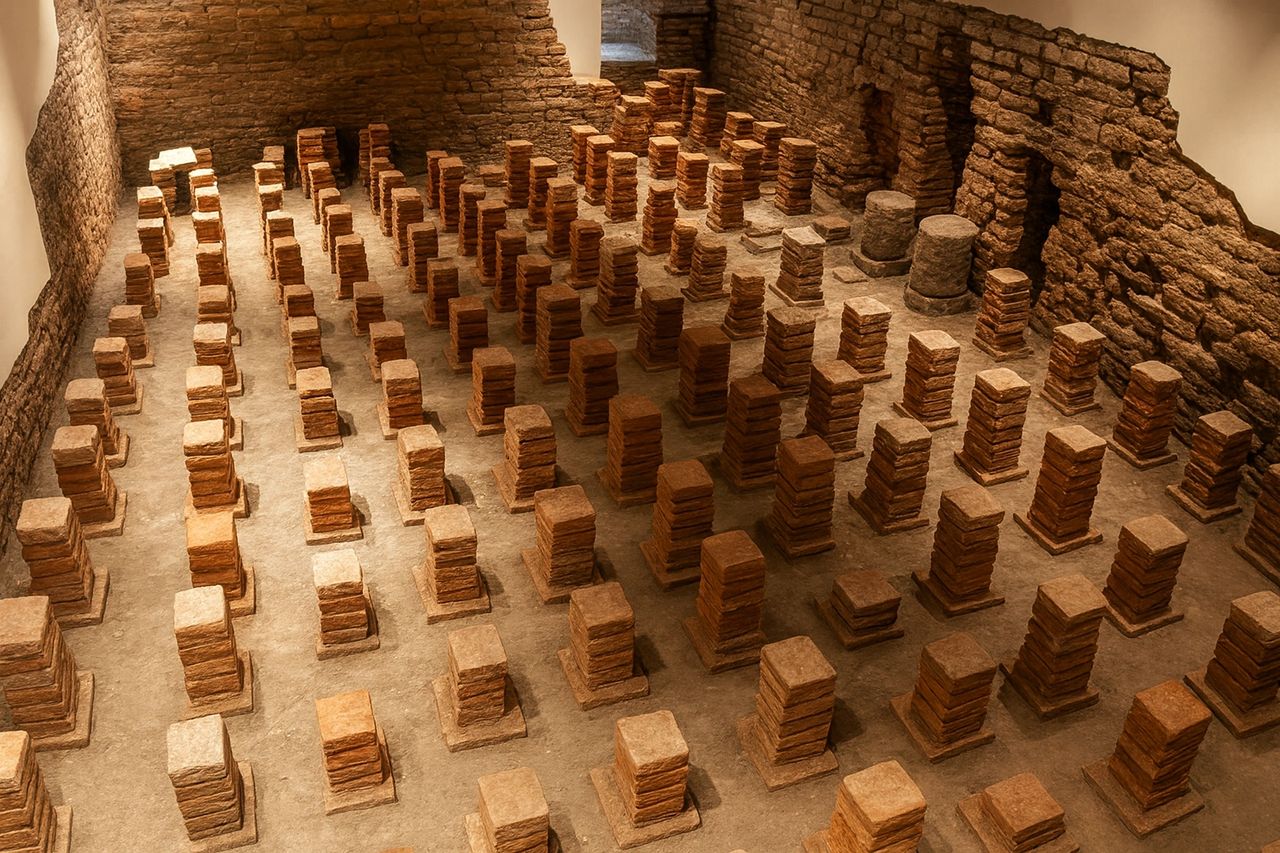
The Romans were among the first cultures to treat heat as a managed system rather than a campfire. Their hypocausts pushed hot air beneath raised floors and sometimes through hollow walls, creating radiant warmth that could fill entire bathhouses and, in wealthier homes, private rooms. It wasn’t a technology for everyone, fuel-heavy, labour-intensive, and expensive, but where it existed, it represented a new idea: that heat could be distributed, not merely endured. After Rome fell, much of this knowledge faded in Europe, but the idea lingered in human imagination. We now see the hypocaust not as a brilliant one-off, but as an early proof that controlled indoor heating could be engineered.
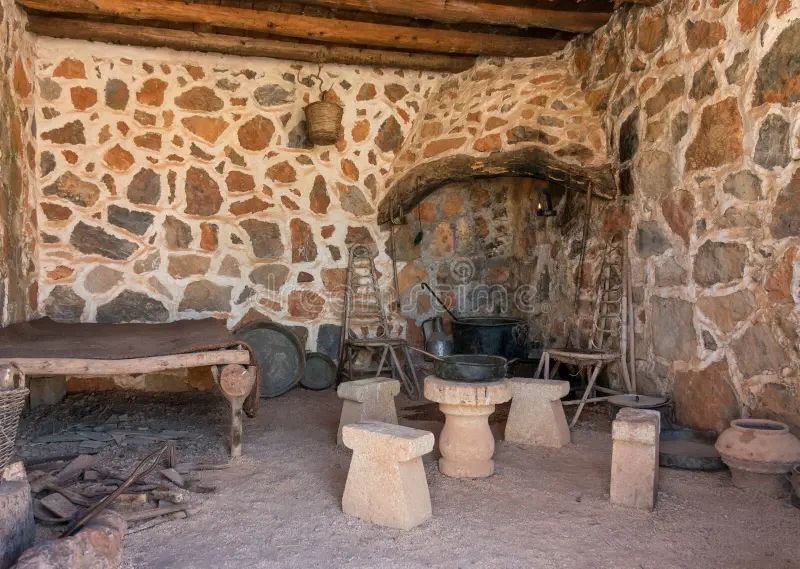
While medieval Europe largely retreated to smoke-darkened hearths, massive open fireplaces that warmed more ceiling soot than human bodies, other cultures were quietly developing their own sophisticated systems. Open fires moved from the center of the room to exterior walls; chimneys emerged over centuries, but the basic experience remained the same: drafty rooms and a tenuous relationship between fire and comfort.
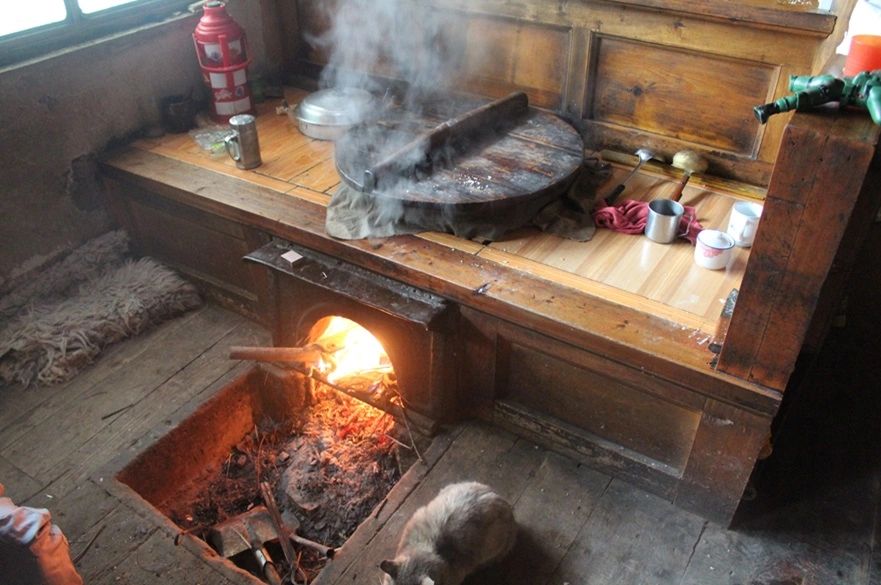
Across Asia, however, heating evolved along different lines. Korea developed the ondol, a radiant-floor system that directed flue gases under thick stone slabs, turning floors into long-lasting thermal batteries. In China, the kang bed-stove warmed entire sleeping platforms through channels of heated air. Japan perfected the irori, a hearth that blended cooking, warmth, and cultural ritual. These weren’t prototypes. They were the products of long, incremental refinement, tailored to climate, materials, and lived experience. While each system served different needs and scales, they all revealed the same human instinct: use heat efficiently, store it when possible, and let the architecture participate in the work.
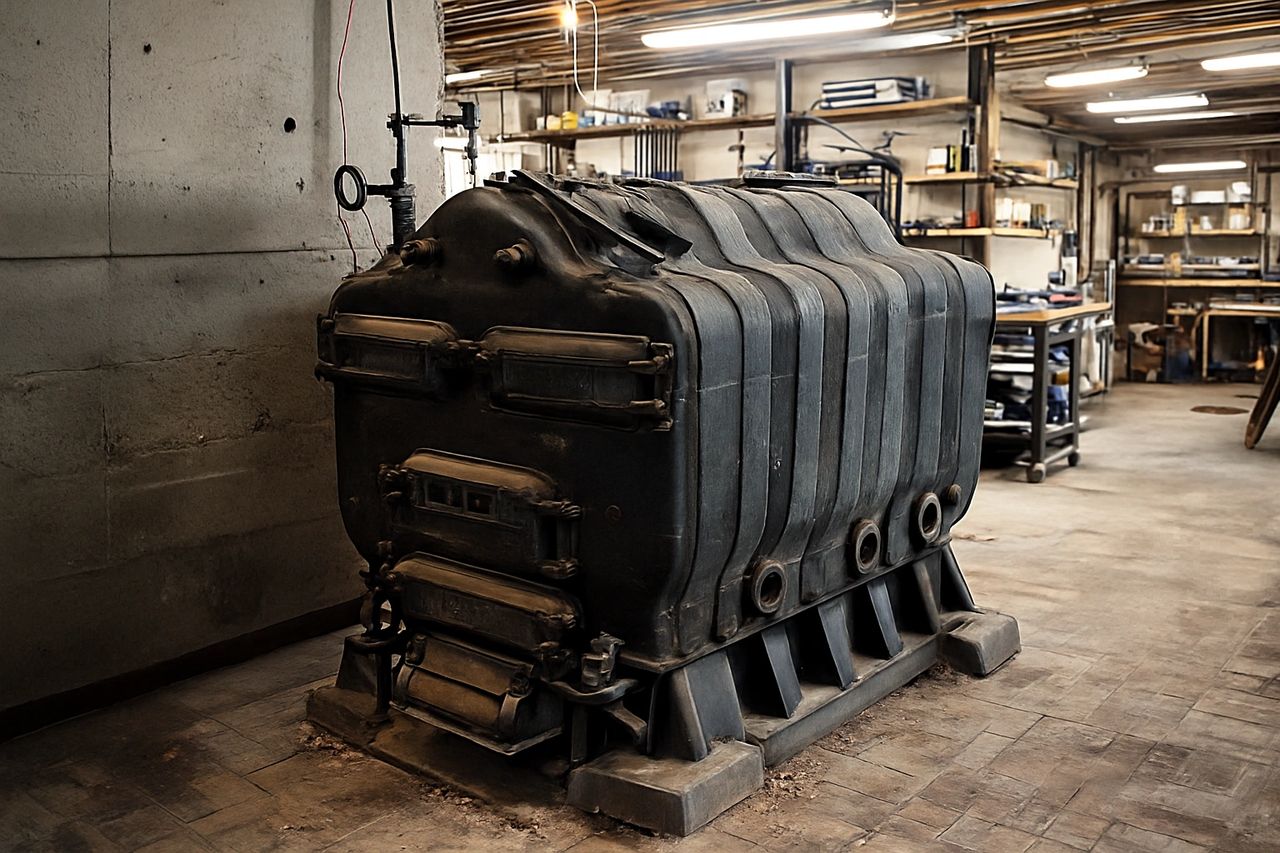
By the time the Industrial Revolution arrived, the world was finally poised for large-scale heating. Boilers, massive cast-iron machines, became the beating hearts of factories, apartment blocks, and public institutions. They fed radiators and steam lines with a level of durability that still surprises anyone who has opened a mechanical room and found a boiler from the early 1900s quietly doing its job. These machines weren’t merely functional. Many were decorated, embossed, and built with pride. Heating had become infrastructure, something engineered intentionally rather than carved out of necessity.
Then came the 20th century, and heating slipped out of sight. Natural gas and electricity made systems cleaner, quieter, and safer, and in turn, we tucked them away: behind drywall, in mechanical closets, beneath floors. Fireplaces lost their central role. Mechanical rooms became afterthoughts. Heat shifted from something people engaged with to something they simply expected. The emotional and cultural presence of heating vanished even as efficiency climbed.
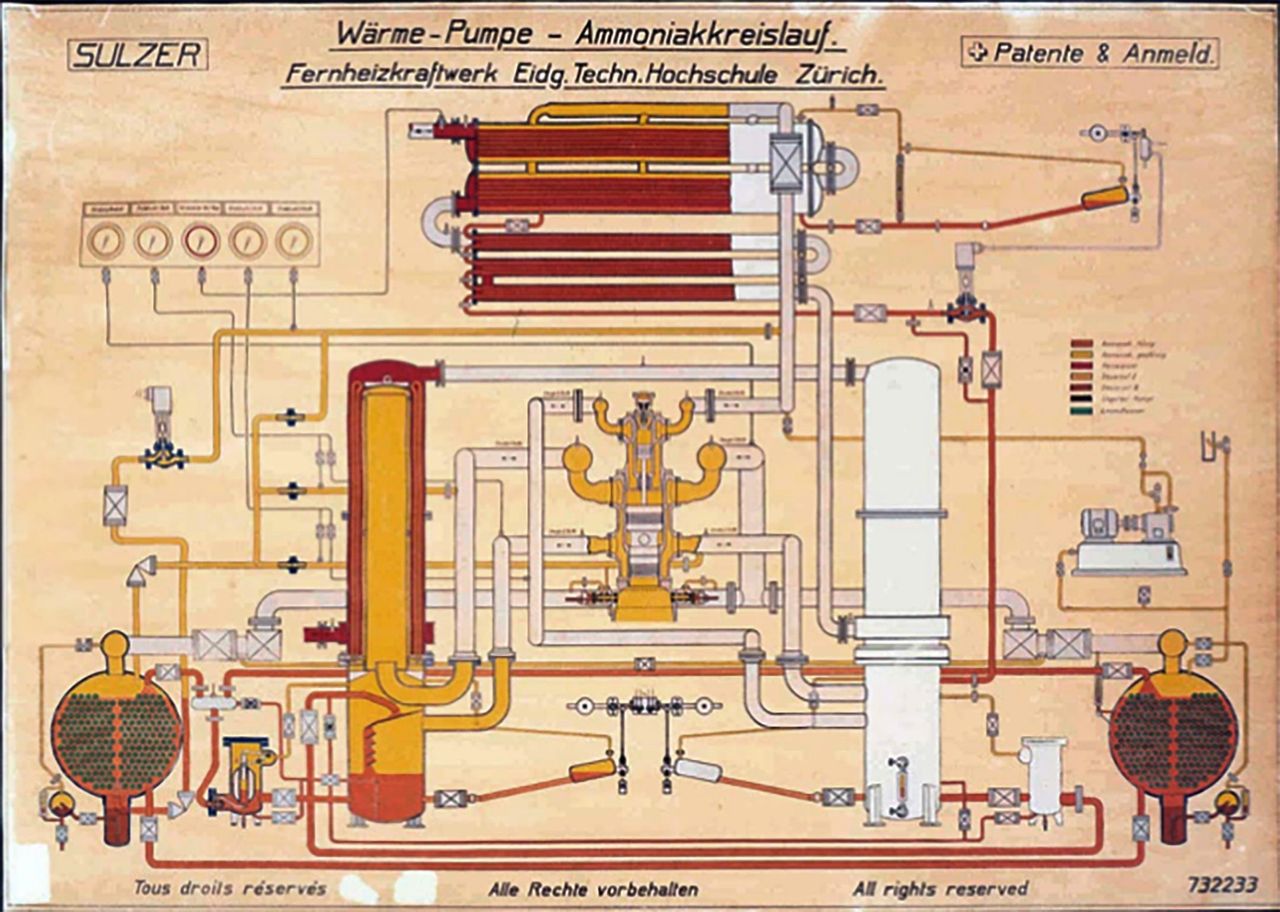
Today, we’re living through another shift. Heat pumps, rather than producing heat by combustion, move it from one place to another, fundamentally changing the physics of comfort. Hydronic systems are rediscovering relevance. Buildings are being designed with energy flow in mind rather than as an afterthought. And for the first time in decades, heating isn’t just a background utility; it’s a frontier of innovation.
What’s striking is how many of these breakthroughs echo ancient patterns. Heat pumps quietly mimic geothermal logic used by earlier civilizations. Radiant floors trace their lineage back to Roman villas and Korean homes. Thermal storage resembles the slow-release warmth of kang platforms. Even our fixation on efficiency feels like a modern continuation of humanity’s oldest problem: how to extract more comfort from less fuel.
Heating has always shaped how people live. It influenced architecture, determined where cities could survive, and dictated how families gathered. And if history teaches us anything, it’s that major leaps in heating technology rarely feel seismic in the moment, but decades later, they reveal themselves as turning points.
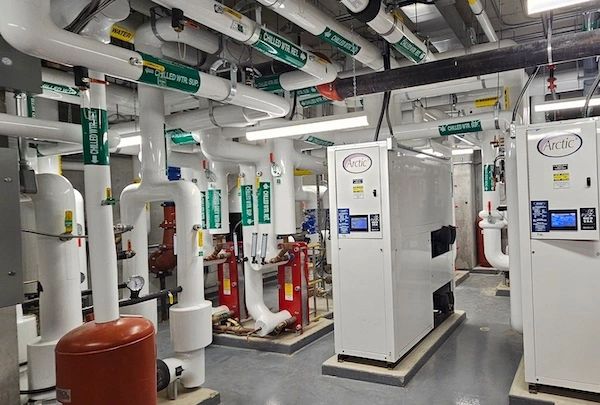
We’re in one of those turning points now. The tools look new, but the pattern is old: challenges force innovations, innovations reshape culture, and culture redefines what comfort means. From ancient fires to Roman hypocausts, from smoky hearths to cast-iron boilers, from radiators to heat pumps, the story remains the same. We keep finding better ways to make the indoors feel like home.
History suggests that what we’re building now, clean, efficient, intelligent heat, will one day stand beside the Romans’ hypocausts and the first steam radiators. Heat may seem like it only moves within our homes and places of work, but it also moves the world.
And it’s about to do so again, in ways that matter far more.