When Science Listened
October 8, 2025
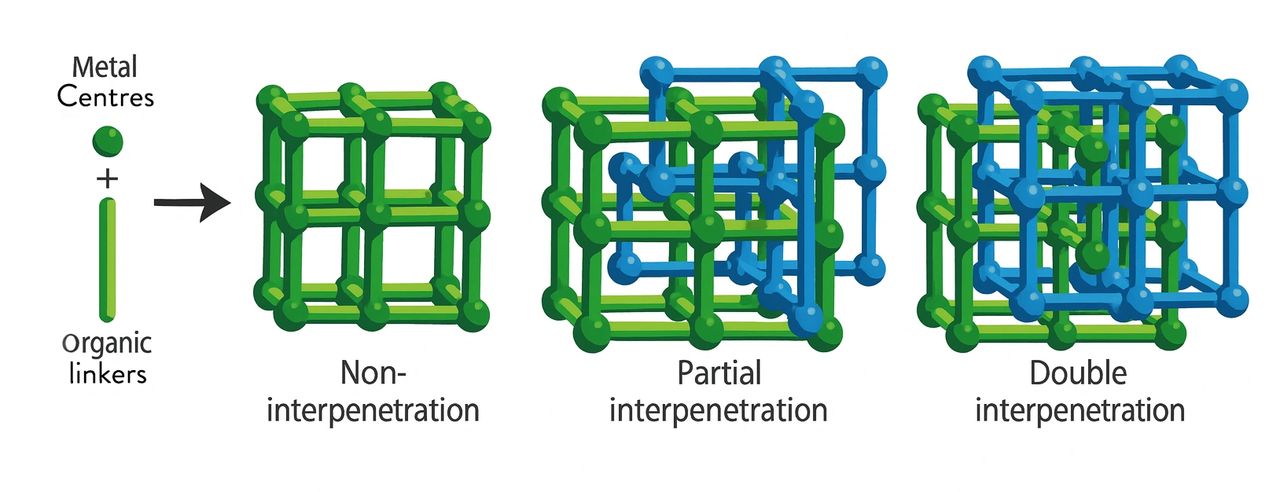
This week’s Nobel Prize in Chemistry hit close to home for me. It was awarded to Omar Yaghi, Susumu Kitagawa, and Richard Robson for their groundbreaking work on metal-organic frameworks (MOFs), a class of materials that can store, separate, or trap gases like carbon dioxide.
Reading the announcement, I couldn’t help but think back to the early days, long before CleanO₂ was incorporated in 2013. My journey with carbon capture started way back in 2005, when I was working for my then-boss, and now business partner, Scott Forgrave at Excelair Mechanical Services in Calgary. Those were the first sparks of what would eventually become CleanO₂.
By 2008, we had already developed our first prototype, marking a major milestone in our efforts to capture carbon emissions from heating equipment. CleanO₂ was more than just an idea at that point; it was a working concept, built on years of hands-on experimentation and curiosity about how we could make meaningful change through practical technology.
Then, in 2012, a news article caught my attention. It announced that scientists at the University of Nottingham had developed a new metal-organic framework called NOTT-202a that could trap CO₂ molecules. The story spread quickly across scientific headlines, and I was immediately intrigued. Among the team of researchers was Dr. Elena Bichoutskaia, now Professor Elena Besley, the only woman on the lead team and, as it turned out, the only scientist who took time to reply to my email.
Her message was short and kind. She explained that the material was still too early and too expensive for real-world carbon capture use, but she wished me luck in pursuing the idea. That exchange didn’t lead to a collaboration, but it left a mark. In a field dominated by technical barriers and long timelines, someone had taken a moment to respond to an unknown founder halfway across the world.
...and that mattered.
Looking back now, it’s amazing to see how far MOF research has come. What was once an experimental curiosity is now a recognized path toward solving one of the most pressing challenges of our time. CleanO₂ has taken a different technical route, but the spirit is the same: turning chemistry into climate action.
So while the Nobel Committee rightly celebrates the pioneers who laid the foundation, I also want to acknowledge Dr. Bichoutskaia, who quietly contributed to that story, and who once made a young(er) entrepreneur feel heard.
Because sometimes, the breakthroughs we remember aren’t just scientific ones, they’re the human ones that remind us why we keep at it.